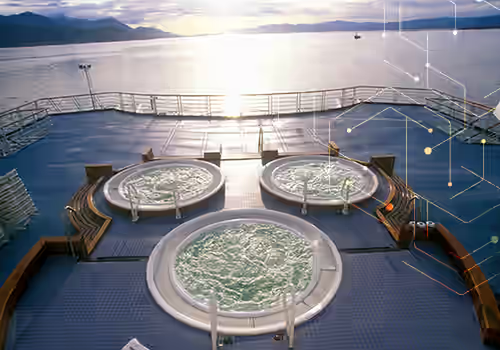
Infection control has become a critical concern for cruise line operators as ships grow larger and amenities become more complex. If not properly managed, confined environments, high passenger turnover, and warm, recirculating water systems create ideal conditions for waterborne pathogens like Legionella to flourish. For brands built on safety and guest experience, a single incidence of Legionnaires’ disease can carry reputational, legal, and operational consequences that far exceed the cost of prevention.
This post walks through the key pieces cruise teams need to manage this risk effectively—from a quick refresher on what Legionella is and where it thrives on board, to an overview of emerging regulatory expectations, practical elements of shipboard water management and testing programs, and concrete steps operators can take to strengthen prevention, detection, and response across their fleets.
What is Legionella, and Why is it a Risk on Cruise Ships?
Legionella is a genus of bacteria that thrives in warm, slow-moving or stagnant water systems such as hot tubs, spas, and various types of plumbing infrastructure. When water containing Legionella is aerosolized and inhaled, it can cause Legionnaires’ disease, a serious form of pneumonia that typically requires medical treatment and can be life-threatening, especially for older adults and people with weakened immune systems.
Without proper testing, Legionella can stow away in shipboard water systems and remain undetected until passengers or crew become ill. Even then, cases may be misdiagnosed or never linked back to a particular voyage or vessel, giving the bacteria more time to spread. For vulnerable, immunocompromised people, Legionnaires’ disease can be fatal in roughly 10% of reported cases.
Where Legionella May Be Lurking Aboard Ship
Legionella thrives best in warm water, typically between about 77°F and 113°F, with particularly rapid growth in the 90–108°F range—temperatures commonly found in spas, hot tubs, and sections of poorly controlled plumbing. When water sits in this temperature range and remains stagnant, biofilms can develop on pipe walls and fixture surfaces, creating a protected environment where the bacteria can survive, multiply, and resist disinfection. Common hot spots for Legionella may include:
- Hot tubs and whirlpools: Warm operating temperatures and high bather loads consume disinfectant quickly. Complex hydraulics can also create low-flow areas where water can stagnate, and biofilms can form.
- Private hot tubs: Recent incidents have shown that private hot tubs also pose a significant hazard when kept warm, not drained between users, and maintained under less stringent procedures than public spa facilities.
- Spa and locker-room showers: Lukewarm water can sit in showerheads, hoses, and mixing valves between uses, allowing biofilms to build up on internal surfaces. Dry dock or low-occupancy voyages increase the risk as lack of use gives the bacteria time to colonize. According to the National Institutes of Health (NIH), a microbial biofilm layer can begin forming on plumbing surfaces within hours to days and can become well established within a few weeks.
- Potable water systems: Distribution piping and storage tanks can create pockets of warm, slow-moving water. Drinking water contaminated with Legionella is not typically an issue, but aspirating (inhaling) contaminated water can lead to infection.
- Decorative water features: Devices such as misters and decorative fountains naturally aerosolize droplets, increasing the chance of inhaling contaminated aerosols.
- Ice machines: Water supply lines, tubing, and reservoirs can support biofilm growth that shelters the bacteria from disinfectants. Legionella can survive freezing, so contaminated water used to make ice may still pose a hazard when it melts and is aspirated by vulnerable people.
- Cooling towers and evaporative condensers: Warm recirculating water and drift (water droplets carried by exhaust air) can promote Legionella growth and disperse contaminated aerosols over long distances if towers are not properly treated and maintained.
CDC 2025 Vessel Sanitation Program Requirements for Legionella Control
Legionella control on ships is now governed by the updated requirements in the 2025 Vessel Sanitation Program (VSP) Environmental Public Health Standards, developed through a collaboration between several leading cruise lines and the CDC. These CDC standards apply to ships carrying 13 or more people and calling at a U.S. port. In addition to addressing broader environmental public health concerns, they specify how ships must manage Legionella risk in potable water systems, hot‑water systems, recreational water facilities, and aerosol‑generating equipment.
The 2025 VSP standard requires every vessel to maintain a formal water management plan that includes a Legionella control and monitoring program. Key elements include:
- Routine Legionella testing and microbiological sampling of potable water and hot‑water loops must be conducted at least twice per year at representative points such as storage tanks, heaters, and distal outlets.
- High‑risk recreational water systems, (spa pools, whirlpools, heated jetted tubs, etc.), must be sampled quarterly. This increased frequency reflects the combined risks of warm water, aerosol generation, and heavy bather loads in these venues.
- Hot‑water and shower systems must be operated and maintained so that water temperatures and disinfectant residuals are kept outside the ranges that favor Legionella growth, with routine monitoring records available for inspection.
- Fountains, humidifiers, misting systems, and other aerosol‑generating devices must be properly designed, regularly cleaned and disinfected, and maintained to prevent stagnation and biofilm formation that can support Legionella colonization and amplification.
- Filtration systems must follow prescriptive cleaning instructions, including rinsing cartridge filters, degreasing, sanitizing with a defined bleach solution, and fully drying filters in a protected area. The standards emphasize that some bacteria, including Legionella, can survive cleaning but are killed by thorough drying. The guidance warns that improper filter maintenance can contribute to disease outbreaks.
- Ships must document disinfectant levels and system temperatures using logs and, where installed, continuous or near‑continuous monitoring instruments.
- Potable‑water components such as backflow preventers and fittings must be disinfected before installation and after contamination events.
- When Legionella test results exceed action levels defined in the water management plan, the vessel must perform a root‑cause analysis, implement technical corrective actions such as flushing or thermal and chemical disinfection, adjust control limits or procedures as needed, and complete follow‑up Legionella sampling to confirm successful remediation before returning systems to normal operation.
Cruise lines that dock outside U.S. ports also rely on international ship sanitation frameworks that complement the VSP. The World Health Organization’s ship sanitation guidance recommends water‑safety plans and hazard‑analysis approaches for potable and technical water systems, including examples of Legionella action levels and corrective measures for shipboard water networks. Together, the WHO guidance and the 2025 VSP Environmental Public Health Standards provide a comprehensive, auditable framework for Legionella control on cruise ships and other passenger vessels that meet the VSP criteria.
How Pace® Helps Cruise Line Operators Protect Guests and Staff
By combining specialized laboratory expertise with an understanding of maritime operations, Pace® can help cruise lines move from reactive responses to proactive, fleetwide Legionella risk management. Our capabilities include:
- Water Management Planning: Assistance in mapping shipboard water systems, prioritizing sampling locations, and developing written sampling and maintenance plans that align with VSP and internal corporate requirements.
- Accredited Legionella testing: Culture and molecular methods, validated protocols, and rapid turnaround to support both routine monitoring and incident response.
- Data management and interpretation: Clear, actionable reporting, trend analysis across fleets, and documentation that supports regulatory inspections, internal audits, and, when needed, legal defensibility.
- Emergency outbreak response: Our multidisciplinary Legionella emergency response team is available 24/7 and can coordinate onsite investigation, rapid disinfection, environmental sampling, result interpretation, communication with health departments, and remediation recommendations when a suspected shipboard outbreak occurs.
Keep Guests Confident and Coming Back
A cruise can be a significant investment for many guests, and they have options on where and how they spend their money. Research on cruising risk perception shows that most people still view cruises as a safe vacation, but “health and safety” issues—including seasickness, gastrointestinal illness, and other infections—are never far from their minds. Non-cruisers rate the likelihood and severity of getting sick on board higher than experienced cruisers do, which means that visible, credible Legionella control is not just a compliance exercise—it is central to earning guest trust, winning first-time cruisers, and keeping them coming back.
To take the next step, connect with the Pace® Building Sciences team to review your current shipboard water management and Legionella testing programs and identify practical steps to protect your staff, guests, and brand.
Additional resources
What is Legionella?
Pace® Legionella Testing Services
Pace® Legionella Outbreak Response Services
Pace® Water Management Planning Services
Averting Tragedy: Testing Cooling Towers for Legionella
On-Demand Webinar: Introduction to Legionella Regulations and Testing