
Certified Drinking Water Testing in Every State
Pace® is a certified drinking water testing laboratory serving public water systems, municipalities, private well owners, bottled water producers and environmental consultants. We test drinking water, bottled water, commercial and private wells, and source waters including groundwater and surface water for regulated and unregulated contaminants, including PFAS, microplastics, lead and copper, disinfection by-products, microorganisms, Legionella and radiochemistry. Pace® is certified in every state and has been approved by U.S. EPA for every round of UCMR.
Need drinking water testing near you? Find your nearest Pace® laboratory or sample drop-off location.
- Lab certifications with the DOD, DOE, TNI NELAC, ISO
- Certified in every state
- USEPA-approved testing lab for UCMR 3, 4, 5 and UCMR 6
- Multiple Drinking Water Centers of Excellence across the U.S.
What We Test in Drinking Water
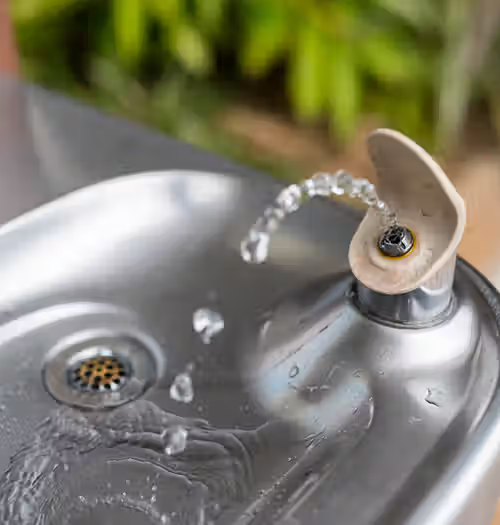
Pace® drinking water testing covers primary organics including synthetic organic compounds and volatile organic compounds, primary inorganics, secondary standards, disinfection by-products including haloacetic acids, total trihalomethanes and oxyhalides, residual disinfectants, lead and copper, PFAS, 1,4-dioxane, low-level hexavalent chromium, radiochemistry, 2,3,7,8-TCDD, microorganisms and Legionella.
Analyses are performed by the methods approved under the Safe Drinking Water Act and the National Primary Drinking Water Regulation. Pace® has analyzed drinking water samples under every round of US EPA’s Unregulated Contaminant Monitoring Rule (UCMR) and is preparing for UCMR 6, which EPA proposed in July 2026 with sampling scheduled for 2028 to 2030. Pace® reporting limits are set at or below regulatory requirements. Pace® drinking water centers of excellence are knowledgable in and accommodate state-specific requirements when they are more stringent than federal limits, such as those for 1,4-Dioxane in New York and PFAS in many states.
Who Needs Drinking Water Testing
Drinking water testing is required by public water systems to meet Safe Drinking Water Act monitoring and reporting obligations, environmental consultants and engineers supporting compliance and treatability studies, and private wells in selected states that have chosen to regulate them. Bottled water producers are regulated by FDA to limits very similar to those that are required under SDWA by EPA.

Drinking Water Reports and Turnaround
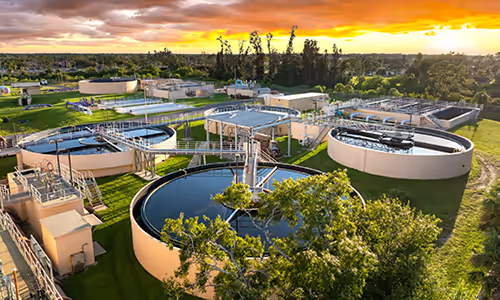
Reports include analytes, test methods, analysis date, method results, reporting limits, and regulatory agency required quality control data generally known as Level II. They are formatted to meet state, federal and client requirements. Electronic Data Deliverables (EDDs), including SDWIS CMDP and SDWARS formats, are available. Pace® uploads these EDDs directly to many client’s state compliance reporting systems. For UCMR, Pace® uploads results to EPA’s SDWARS for your water system. Rush sample analysis turnaround times are available when needed, for example when a system experiences a main break and must issue a boil water notice.
Drinking Water Regulations: SDWA, NPDWR and UCMR
How Is Drinking Water Regulated?
The Safe Drinking Water Act (SDWA) gives the United States Environmental Protection Agency (EPA) the authority to administer several programs related to contaminants in drinking water. The EPA’s Unregulated Contaminant Monitoring Program (UCMR) monitors emerging contaminants that may be impacting the nation’s public water systems and human health. The SDWA also gives the EPA the authority to set National Primary Drinking Water Regulations (NPDWR) and enforce limits on contaminants in drinking water. Limits may also be set by states, but they may not exceed EPA’s NPDWR limits.
What Is UCMR 6?
The United States Environmental Protection Agency’s (EPA) Unregulated Contaminant Monitoring Rule (UCMR) is designed to collect data on contaminants suspected to be present in drinking water but that do not yet have health-based standards set under the Safe Drinking Water Act (SDWA). A revised list of up to 30 contaminants is selected every five years. UCMR 6 is the sixth UCMR round to be implemented and is proposed to include testing requirements for ultrashort-chain PFAS/organofluorine compounds, pesticides, semi-VOCs, and VOCs.
Defensible Data for Compliance Reporting
The EPA and many states set limits on the level of contaminants allowable in the nation’s drinking water. Under the SDWA, states are allowed to set more stringent requirements than those stipulated under SDWA regulations but may not weaken them. Protecting public health and mitigating risks requires reliable, fast testing services with defensible results. Pace® has provided compliance testing and other drinking water analysis services for more than three decades.
Our drinking water testing services include:
- Primary Organics (SOCs, VOCs)
- Primary Inorganics
- Secondary Standards
- Disinfection By-Products (HAAs, TTHMs, Oxyhalides)
- Residual Disinfectants
- Lead and Copper
- PFAS
- 1,4-Dioxane
- Low-level Hexavalent Chromium
- Radiochemistry
- 2,3,7,8-TCDD (Dioxin) by Method 1613
- Microorganisms
- Legionella
Pace® PFAS Treatability Studies
Pace® PFAS Treatability Studies help clients evaluate the effectiveness of technologies and strategies for PFAS removal, remediation, and destruction.
By conducting a Treatability Study, environmental engineers and scientists can optimize remediation strategies, ensure regulatory compliance, and build public trust.
Testing a Private Well?
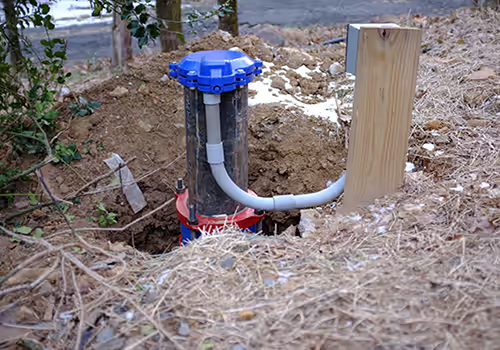
Private wells are not regulated under the Safe Drinking Water Act, which means testing is the well owner’s responsibility rather than the utility’s. A standard private well screen covers bacteria, nitrate and nitrite, pH, hardness, iron and manganese, with lead, arsenic, PFAS, radiochemistry, and other testing added based on your region and water source.
Contact the Pace® laboratory nearest you to order sample containers and confirm which analytes are recommended in your area.
Additional Resources
Need to find a lab that can handle your unique requirements?
Contact us directly or download our list of environmental certifications across our network.
eBook: Legionella in the Built Environment
Info Sheet: Using Bacteroides to Identify Source Contamination in Natural and Recreational Water
Info Sheet: What is a WICRA?
Info Sheet: National Primary Drinking Water Regulations (NPDWR)
Info Sheet: Lead and Copper Testing Services
Methods Sheet: Drinking Water Test Methods
Case Study: Florida Key Aqueduct Authority
On-Demand Webinar: US EPA UCMR 6 Proposal Issued – What’s Next
On-Demand Webinar: PFAS & UCMR 5
On-Demand Webinar: Insights Into the New EPA PFAS Health Advisories
On-Demand Webinar: What the Proposed PFAS NPDWR MCLs Mean for You